

Menstrual cycles are a natural part of a woman’s reproductive health, but irregular or painful periods can disrupt daily life and cause significant concern. While occasional discomfort is common, persistent cycle irregularities or severe pain may indicate an underlying gynecological condition that needs medical attention. Understanding when to seek professional care is the first step toward better menstrual health.
What Are Irregular or Painful Periods?
Irregular periods refer to cycles that vary in length, are frequently missed, or involve unusually heavy or light bleeding. Painful periods, also known as dysmenorrhea, cause abdominal cramps, lower back pain, nausea, or fatigue. Although these symptoms are common, they should not be ignored if they interfere with normal activities.
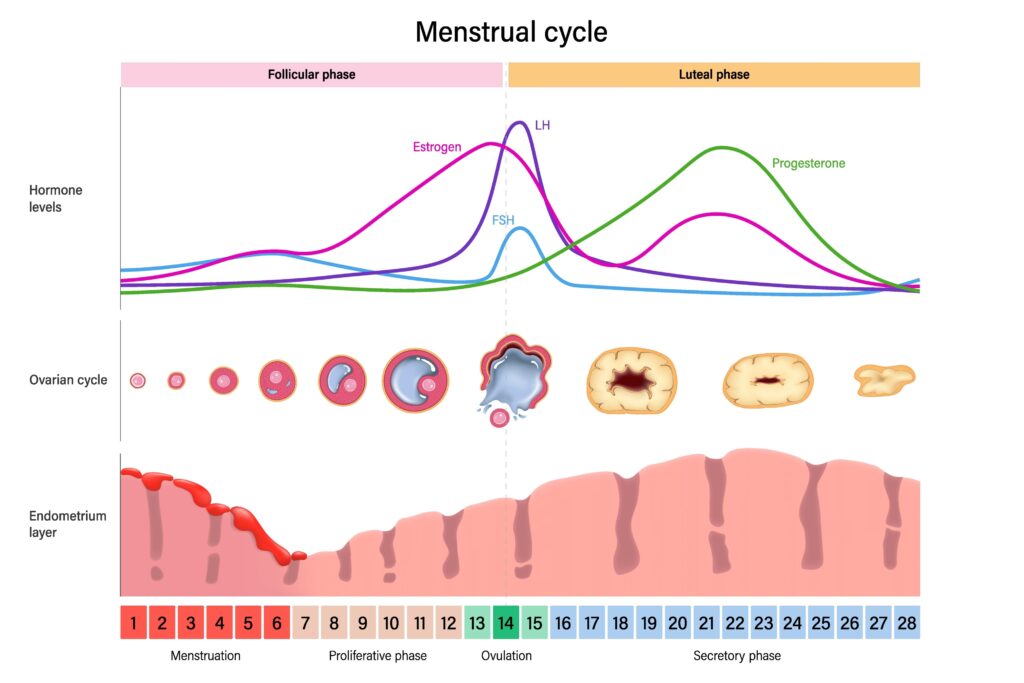
A standard menstrual cycle typically lasts between 21 to 35 days, with bleeding lasting anywhere from 2 to 7 days. If your cycle consistently falls outside this window, it is classified as irregular.
Common Causes of Menstrual Problems
Hormonal Imbalance
Hormonal fluctuations are one of the most common reasons for irregular cycles and painful menstruation. Conditions like PCOS, thyroid disorders, or stress-related hormonal changes can affect the menstrual cycle.
Polycystic Ovary Syndrome (PCOS)
PCOS often causes irregular periods, excessive bleeding, weight gain, and acne. Early diagnosis and proper treatment can help manage symptoms and prevent future complications.
Uterine Fibroids or Ovarian Cysts
Non-cancerous growths in the uterus or ovaries can lead to heavy bleeding, severe cramps, and pelvic pain. Medical evaluation helps determine the right treatment approach.
Endometriosis
Endometriosis occurs when uterine tissue grows outside the uterus, leading to severe menstrual pain and sometimes infertility. Early intervention can improve quality of life and reproductive outcomes.
Warning Signs You Should Not Ignore
Period Pain That Affects Daily Life
If pain prevents you from attending work, school, or daily activities, it is not normal and requires medical evaluation.
Extremely Heavy or Prolonged Bleeding
Bleeding that lasts more than seven days or requires frequent pad or tampon changes may indicate an underlying issue.
Missed Periods or Irregular Cycles
Skipping periods frequently or having unpredictable cycles may signal hormonal or reproductive health problems.
Pain with Other Symptoms
Menstrual pain accompanied by fever, vomiting, dizziness, or pelvic pressure should be evaluated by a gynecologist.
When Should You See a Gynecologist?
Women should consult a specialist if menstrual problems persist for more than two to three cycles, worsen over time, or are associated with fertility concerns. Consulting the Best Gynaecologist in Ranchi ensures accurate diagnosis and personalized treatment based on individual health needs.
How Gynecological Issues Are Diagnosed
Clinical Examination and History
A gynecologist reviews menstrual history, symptoms, lifestyle factors, and medical background to understand the root cause.
Diagnostic Tests
Ultrasound scans, blood tests, and hormonal evaluations help identify conditions like PCOS, fibroids, or infections.
Treatment Options for Irregular or Painful Periods
Lifestyle and Dietary Changes
Balanced nutrition, regular exercise, and stress management can significantly improve menstrual health.
Medical Treatment
Depending on the diagnosis, treatment may include hormonal therapy, pain management, or medications to regulate cycles.
Advanced Care When Needed
In certain cases, minimally invasive procedures or specialized treatment may be recommended.
Women’s Health Care at R.P.S. Hospital
R.P.S. Hospital provides comprehensive gynecological care with experienced specialists, modern diagnostic facilities, and a patient-centric approach. The hospital focuses on early detection, accurate treatment, and long-term women’s health management in a safe and supportive environment.
Final Thoughts
Irregular or painful periods should never be dismissed as “normal” when they affect your health and comfort. Early consultation with a gynecologist helps identify the cause, prevent complications, and restore menstrual balance. Paying attention to your body and seeking expert care is an important step toward lifelong reproductive health.